 By Africa Risk Control North Africa Desk – Tunisia, strategically located at the northern tip of Africa along the Mediterranean, has a population of approximately 12 million and a GDP of around $50 billion (2024 estimate). The country serves as a gateway to Europe, North Africa, and the Middle East, offering foreign investors access to multiple markets.
Mozambique Business Landscape: Opportunities and Insights from ARC’s Portuguese Desk
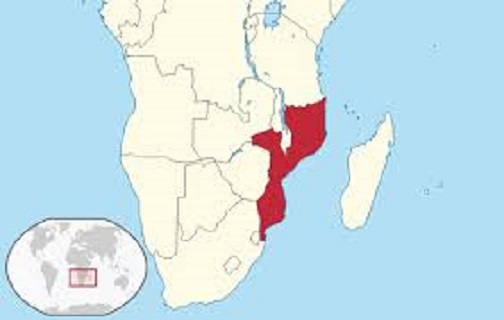 By Africa Risk Control Portuguese-speaking Africa Desk – Mozambique, in southeastern Africa, continues to attract investor attention due to its natural resource wealth, strategic ports, and rapidly developing sectors. With a young and growing workforce, expanding infrastructure, and untapped energy reserves, the country presents a fertile ground for international and regional investors.
Nigeria Oil & Gas: Strategic Insights into Africa’s Energy Powerhouse
 By Africa Risk Control West Africa Desk – Nigeria stands as Africa’s largest oil producer and a pivotal player in the global energy landscape. Despite facing challenges such as security concerns and infrastructure limitations, the country’s oil and gas sector remains a cornerstone of its economy.
Côte d’Ivoire’s Agriculture Sector: Navigating Growth Amidst Global Demand and Climate Challenges

From Informal Credit to Scalable Finance: Ethiopia’s Microfinance Sector at a Crossroads

From Lagos to Global: How Nigeria’s Fintech Industry Became Africa’s Investment Magnet
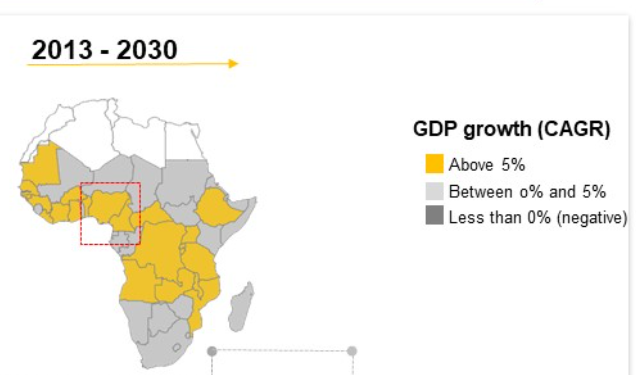 By Africa Risk Control West Africa Desk – Across Africa, no country has captured investor attention in financial technology quite like Nigeria. Over the past decade, Lagos has transformed into a fintech powerhouse, producing billion-dollar startups and attracting global venture capital at record levels.
Nigeria: Key Insights for Investors and Risk Management in 2025
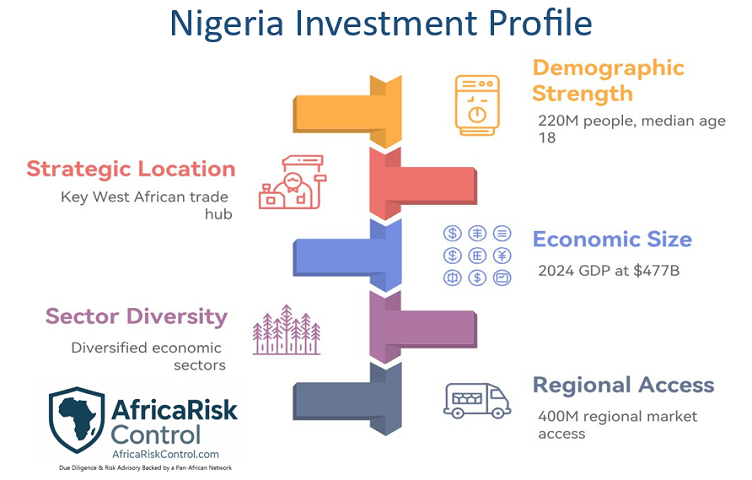 Nigeria’s diverse sectors are ripe with opportunities but come with unique risks. Here’s a glimpse of what you need to know before making investment decisions in Africa’s largest economy:
Ethiopia’s Tourism & Hospitality Sector: Insights for Investors and Travelers
 By Africa Risk Control Team · Sector Analysis · Updated Sep 9, 2025 – Ethiopia presents unique opportunities in tourism and hospitality for investors seeking growth and international travelers looking for authentic experiences.
Ethiopia’s Fintech Landscape 2025: What to Expect
By Yanet Fantaye – Ethiopia’s fintech market has shifted from a handful of domestic experiments to a broad, fast-growing payments and digital-finance ecosystem. The National Bank of Ethiopia (NBE) is actively rolling out its national digital payments strategy and — as of March 2025 — launched Phase Two to deepen usage, push interoperability and expand digital ID integration across 2025–2029. That policy push is the single most important macro catalyst for fintech growth in the country.
How Ethiopia’s minerals offer a frontier for global investors