
 By Africa Risk Control (ARC) – Africa’s investment landscape is rich with promise — abundant natural resources, youthful labor, and expanding markets. Yet, despite the optimism, one factor continues to shape investors’ confidence more than any other: political risk.
Understanding Political Risk in African Investments
By Africa Risk Control (ARC) – Africa’s investment landscape is rich with promise — abundant natural resources, youthful labor, and expanding markets. Yet, despite the optimism, one factor continues to shape investors’ confidence more than any other: political risk.
Tunisia Investment Outlook 2025: Strategic Insights for Investors
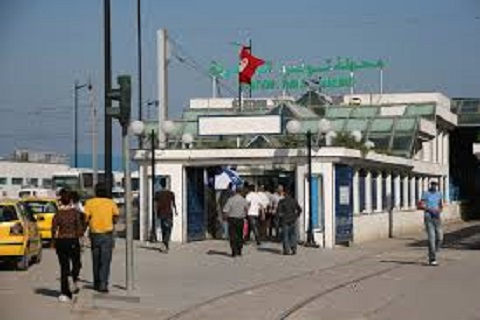 By ARC North Africa Desk – Tunisia, with a population of approximately 12.4 million and a nominal GDP of USD 53.4 billion in 2024, presents a market of strategic importance in North Africa. The country’s economic landscape is characterized by a diverse industrial base, a young and educated workforce, and a strategic location as a gateway between Europe and Sub-Saharan Africa.
Botswana Insight 2025: Diamonds, Diversification and Due Diligence
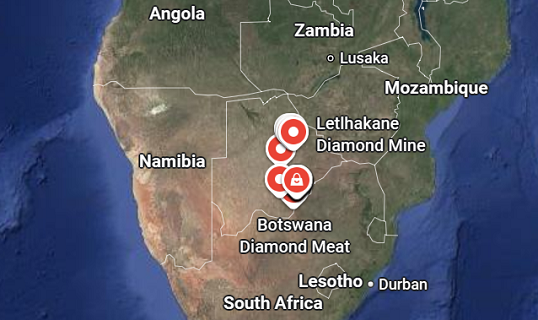
By Africa Risk Control Southern Africa Team – Botswana has long stood out in Africa as a beacon of macroeconomic stability, good governance, and prudent resource management. For decades, its diamond-driven economy — built largely on the Debswana partnership with De Beers — has delivered consistent growth and a reputation for political calm. The country is often cited as one of Africa’s safest investment destinations.
Côte d’Ivoire: Where Cocoa Leads and Investment Opportunities Follow
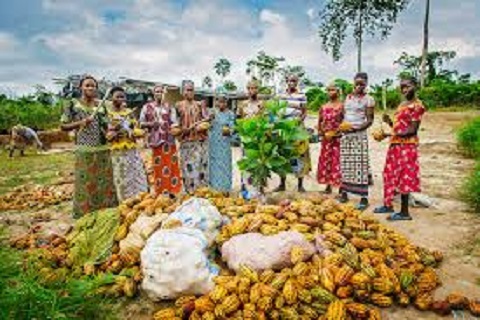 By Africa Risk Control – Côte d’Ivoire (Ivory Coast) is emerging as one of West Africa’s most dynamic investment destinations. With a population of approximately 32.7 million people as of mid-2025, the country is growing fast — about 2.4% per annum.
Investing in Cameroon: Key Sectors and Risk Mitigation Strategies
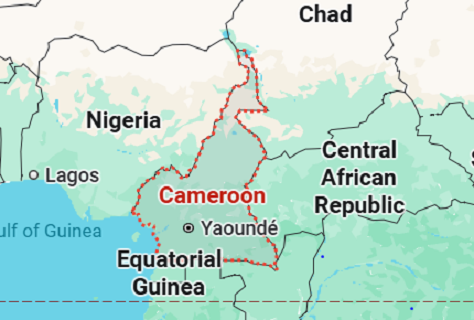 By Africa Risk Control Central Africa Desk – Cameroon, often described as a gateway to Central Africa, is steadily positioning itself as a hub for regional investment. With a population approaching 29.9 million in 2025, a young median age of just 18 years, and an urbanization rate of nearly 60 percent, the country offers both a growing consumer base and a youthful workforce.
From Rice Fields to Wind Farms: Senegal’s Next Big Investment Frontiers
 By Africa Risk Control – Senegal, with a population of nearly 19 million and a GDP of US$30.85 billion (2023), is positioning itself as a West African investment gateway. Agriculture contributes around 16.4% of GDP and employs 22% of the workforce, while industry (23.7%) and services (50.8%) dominate the economy.
Key Investment Opportunities in Zambia’s Mining & Infrastructure Sectors
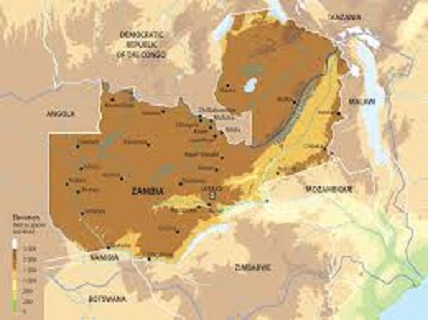 By Africa Risk Control Southern Africa Desk – Zambia, a landlocked country in Southern Africa with a population of about 20.3 million (2024), is positioning itself as a leading investment destination in the region.
Cross-Border Investment Opportunities in Emerging African Markets
 By Africa Risk Control Southern Africa Desk – As global investors seek diversification and growth, Africa’s emerging markets present compelling opportunities. With robust economic growth, strategic locations, and evolving regulatory environments, countries like Kenya, Ghana, Rwanda, Ethiopia, and Côte d’Ivoire are becoming increasingly attractive for cross-border investments.
Pearl of Africa: Africa’s Emerging Investment Hotspot
 By Africa risk Control East Africa Desk – Uganda, often called the “Pearl of Africa,” is East Africa’s emerging investment hub, strategically located with access to regional markets and a growing population of over 48 million. With a GDP of approximately $45 billion in 2024 and a young, dynamic workforce, Uganda offers numerous opportunities across agriculture, energy, manufacturing, and ICT.