
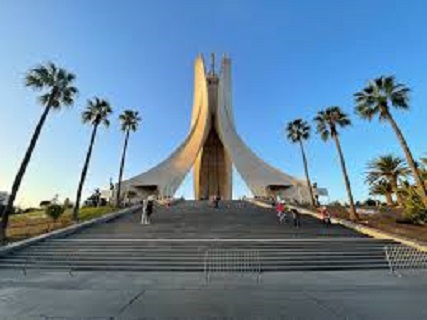
 By Africa Risk Control (ARC)- Algeria stands as a pivotal gateway for foreign investment in North Africa, offering a blend of substantial economic potential and strategic positioning. With a population exceeding 46 million and a nominal GDP of approximately $247.6 billion in 2023, Algeria presents a dynamic market for investors seeking growth opportunities in the region.
How Media Intelligence Enhances Due Diligence and Risk Analysis in Africa
 By Africa Risk Control (ARC) – In Africa’s fast-evolving investment landscape, access to reliable information can make or break a deal. While traditional data sources—such as corporate filings and financial statements—remain vital, they often fail to capture the full picture. Political undercurrents, community tensions, corruption allegations, and reputational issues are frequently first revealed through local media and digital chatter, not official records.
Zambia: Deep Dive into Mining Copper, Cobalt & Beyond
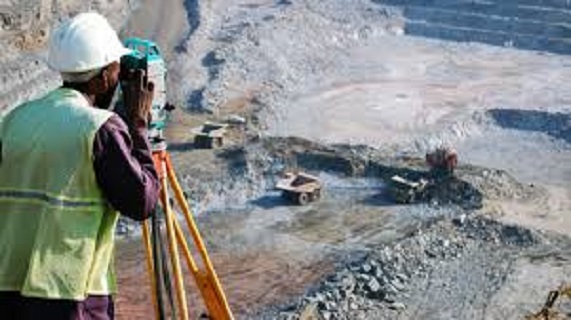
An investor-focused country insight (narrative format with production, exports, major players, challenges, opportunities, way forward and practical investor tips).
By Africa Risk Control (ARC) – Zambia’s story is a mining story. For more than a century copper has shaped the country’s politics, balance sheet and towns — and today, as the world races to decarbonize, Zambia sits again in a position of strategic importance.
Unlocking Investment Opportunities in South Africa: Risks and Rewards
 By Africa Risk Control – South Africa is a geopolitical and economic keystone in Africa. Spanning approximately 1.22 million square kilometers, it supports a population of around 60 million people and, in 2024, recorded a nominal GDP in the ballpark of USD 420 billion, giving a per capita income of roughly USD 7,000.
Ghana Market Opportunities: Energy, Infrastructure, and Finance
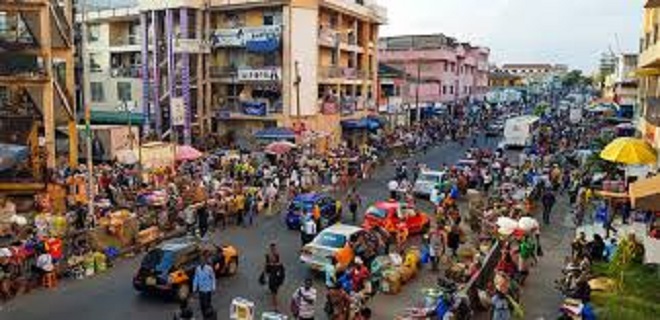 By Africa Risk Control (ARC) – Ghana’s economy has shown resilience amid global challenges. In 2024, the country’s Gross Domestic Product (GDP) was valued at approximately $82.83 billion, with a per capita income of about $2,520. The economy grew by 3.4% in 2024, driven by strong performances in the services and industrial sectors.
Investment Hotspots in DRC: Mining & Energy Sectors
 By Africa Risk Control – When one thinks about the Democratic Republic of Congo (DRC) what often comes to mind is conflicts over minerals and the misery of the poeple. Meanwhile DRC is far more than these realities. The mineral resources rich country in Africa stands as a pivotal player in the global mining and energy landscapes, offering substantial opportunities for investors. Despite challenges, the nation’s vast mineral wealth and emerging energy initiatives present compelling prospects.
Tanzania: Africa’s Emerging Investment Hotspot in 2025
 By Africa Risk Control (ARC) – Tanzania stands as a beacon of opportunity in East Africa, offering a dynamic environment for investment. With a population exceeding 70 million people in 2025, Tanzania ranks as the 21st most populous country globally.
Foreign Investors Eye Nigeria’s Oil Comeback, But Risks Loom Large
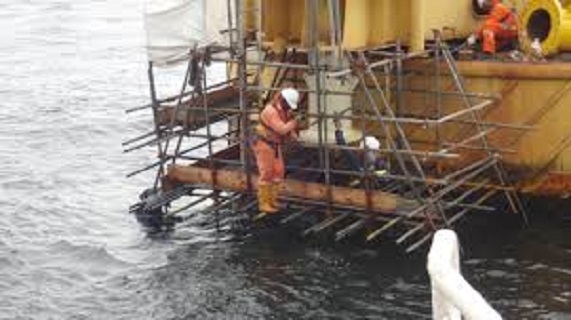 By Africa Risk Control (ARC) – Nigeria stands as Africa’s most populous nation and one of its largest economies. In 2024, its GDP growth accelerated to 3.4 percent, up from ~2.7 percent in 2023, propelled by gains in services, trade, and a modest recovery in petroleum sectors.
Top 5 Red Flags When Partnering with Local Companies in Africa
 How a Chinese Company Lost Millions to a Fake Ethiopian Partner — Top 5 Red Flags When Partnering in Africa
By Africa Risk Control – When foreign investors or international firms seek local partners in Africa, they often find valuable on-the-ground insight, connections and market access. But such partnerships come with risks. Here are five red flags to watch out for — with real cases to illustrate why due diligence matters.
Navigating Egypt’s Market Entry: Key Risks & Opportunities
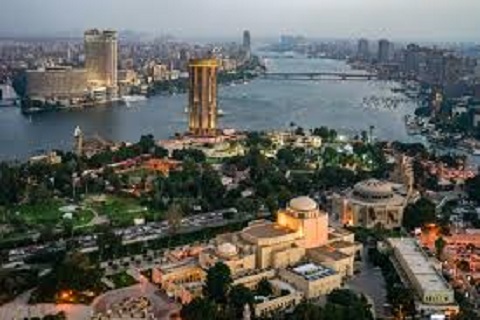 By Africa Risk Control – Egypt stands at the crossroads of Africa and the Middle East, boasting a population exceeding 110 million and a rapidly growing economy. Its geographic location—linking Africa, Europe, and Asia—positions it as a strategic hub for international trade. Over the past decade, Egypt has embarked on ambitious infrastructure and economic reforms aimed at attracting foreign direct investment (FDI), making it one of the continent’s most promising markets for global investors.