
 Mozambique’s regulatory environment is often described as slow or opaque. ARC’s assessment suggests a more precise diagnosis: bureaucratic risk is driven by misalignment, not lack of rules.
Mozambique due diligence
LNG in Mozambique: Confidence, Not Announcements, Determines Timelines
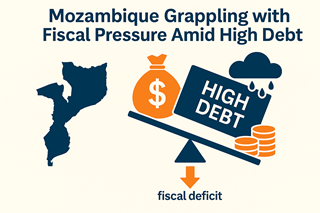 Mozambique’s LNG sector continues to anchor investor expectations, fiscal projections, and political narratives. Yet ARC’s assessment indicates that LNG-related optimism consistently runs ahead of execution reality.
FX Risk in Mozambique Is About Timing, Not Legality
 Foreign-exchange risk in Mozambique is routinely misunderstood. The dominant assumption among new entrants is that once approvals are secured, FX access and repatriation will follow predictable timelines. ARC’s assessment shows that this assumption is one of the most common operational blind spots.
Political Continuity in Mozambique Does Not Mean Predictability
 Mozambique’s political system entering 2026 is best described as stable but discretionary. FRELIMO’s dominance remains intact, elections have not altered the balance of power, and regime continuity is not in question. Yet ARC’s assessment shows that political stability has not translated into predictable execution for investors and operators.
Mozambique 2026: A High-Consequence Market, Not a High-Volume One
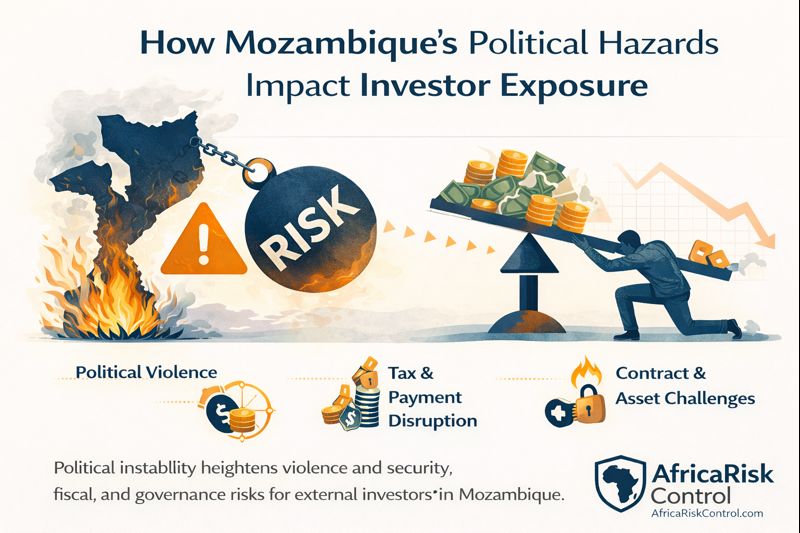 Mozambique is entering 2026 as a market where decisions carry outsized consequences. It is not a high-volume investment destination, but it is increasingly a high-impact one—particularly for energy, infrastructure, logistics, and development-linked operators.