
 Integrity and Environmental, Social, and Governance (ESG) risk in Mozambique is predictable, concentrated, and frequently indirect. ARC’s analysis shows that exposure rarely arises from overt demands; instead, it accumulates through routine operational interfaces—customs, ports, licensing, procurement, and engagement with state-linked entities.
Mozambique
Why Bureaucratic Risk in Mozambique Is About Alignment, Not Rules
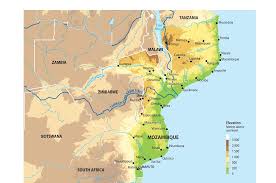 Mozambique’s regulatory environment is often described as slow or opaque. ARC’s assessment suggests a more precise diagnosis: bureaucratic risk is driven by misalignment, not lack of rules.
LNG in Mozambique: Confidence, Not Announcements, Determines Timelines
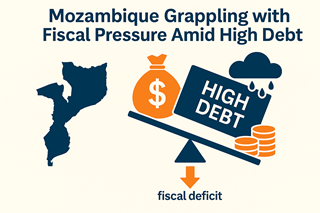 Mozambique’s LNG sector continues to anchor investor expectations, fiscal projections, and political narratives. Yet ARC’s assessment indicates that LNG-related optimism consistently runs ahead of execution reality.
FX Risk in Mozambique Is About Timing, Not Legality
 Foreign-exchange risk in Mozambique is routinely misunderstood. The dominant assumption among new entrants is that once approvals are secured, FX access and repatriation will follow predictable timelines. ARC’s assessment shows that this assumption is one of the most common operational blind spots.
FX Risk in Mozambique Is About Timing, Not Legality
 Foreign-exchange risk in Mozambique is routinely misunderstood. The dominant assumption among new entrants is that once approvals are secured, FX access and repatriation will follow predictable timelines. ARC’s assessment shows that this assumption is one of the most common operational blind spots.
Security Risk in Mozambique Is Corridor-Based, Not National
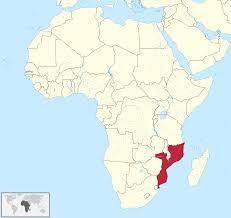 Security risk in Mozambique is frequently mischaracterized as a national condition. In reality, it is corridor-based, time-sensitive, and unevenly distributed. ARC’s assessment shows that this misreading remains one of the most common causes of flawed entry and expansion decisions.