
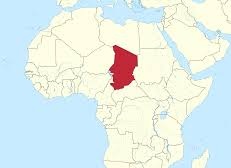
 Formal land documentation in Chad does not guarantee operational continuity. Africa Risk Control’s Chad 2026 report treats land risk as a relationship-management challenge rather than a legal one.
Chad
Corruption in Chad Is Rarely a Shock: It Is a Slow Burn
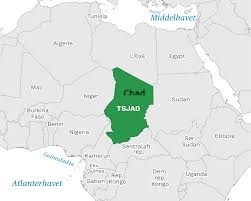 Most corruption-related failures in Chad do not result from a single incident. They emerge through repetition.
IMF Programs in Chad Stabilize Policy, Not Ground-Level Behavior
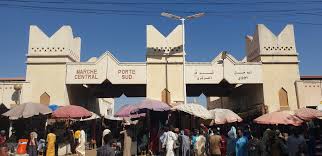 IMF engagement in Chad provides macro direction, but it does not eliminate operational volatility. Africa risk Control’s Chad 2026 report treats fiscal pressure as a behavioral risk driver. Under revenue stress, enforcement intensity often increases selectively, affecting customs, taxation, subsidies, and payment timelines.
Regional Conflict Shapes Chad’s Risk Profile More Than Headlines Suggest
 Chad’s exposure to regional instability is not theoretical—it is operational. ARC’s Chad 2026 report highlights Sudan spillover as a key structural risk shaping eastern Chad. Displacement flows, security congestion, and humanitarian proximity create conditions where localized disruption can escalate quickly.
Security Risk in Chad Is About Where You Operate
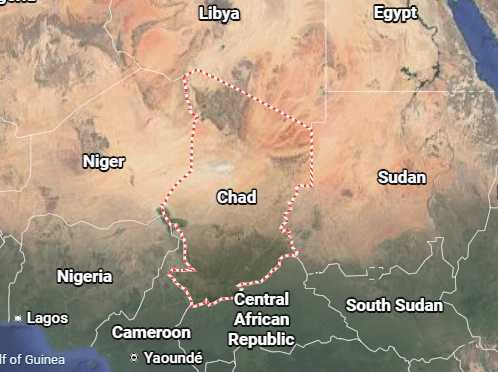
In Chad, Risk Lives Below the National Level
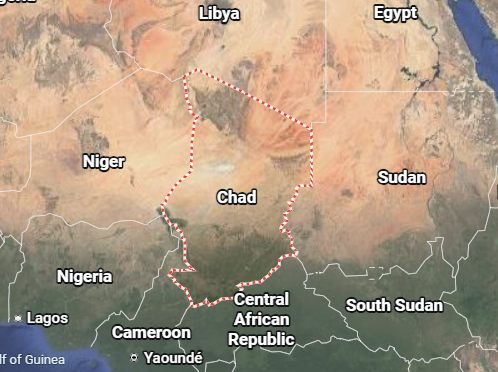
Chad Is Not a High-Volume Market – It Is a High-Consequence One
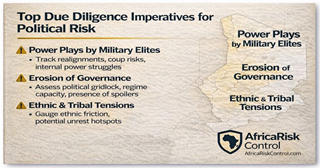 Chad is often misread through the wrong lens. Market size metrics understate its importance, while strategic risk exposure is routinely underestimated.