
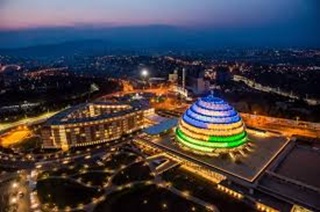
 By Africa Risk Control (ARC) – Rwanda’s economic transformation over the past two decades has earned the country widespread recognition for discipline, stability, and reform-driven progress. According to the World Bank’s 2025 Rwanda Country Update, the economy is projected to grow between 6% and 7% in 2026, powered by expanding services, construction, tourism recovery, and a national drive toward digital innovation.
Gold Rush and Deadly Conflicts in Ethiopia, Sudan
 By Africa Risk Control (ARC) – It was one of the warm weekends of mid-June 2025. Khalid (not his real name), a Dubai-based gold trader, was relaxing in a popular nightclub around the bustling Bole area of Addis Ababa. The venue was crowded, the music loud, and the atmosphere electric—typical for a Saturday night in the capital.
Cape Verde: Stability, Opportunity, and the Rise of the Blue Economy
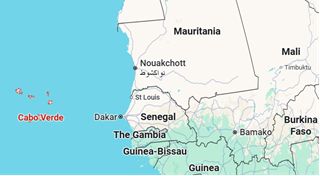
By Africa Risk Control – Cape Verde — officially Cabo Verde — remains one of Africa’s most stable and institutionally reliable nations, a rarity in a region often marked by political turbulence and economic shocks.
Election Tensions and Public Grievances Threaten Africa’s Investment Outlook
 By Africa Risk Control (ARC) – Across much of Africa, recent elections have reignited old political tensions and exposed deep-seated public grievances. From Kenya and Madagascar to Cameroon and Tanzania, what began as ordinary electoral cycles has escalated into waves of protest, violent crackdowns, and renewed questions about the continent’s political stability.
Africa’s Minerals and the Global Investment Race
 By Africa Risk Control (ARC) – Africa holds some of the world’s most abundant and strategically critical mineral resources. From cobalt in the Democratic Republic of Congo to platinum in South Africa and diamonds in Botswana, these minerals underpin global industries, including electronics, automotive, renewable energy, and aerospace.
Investing in Benin: How to Navigate Market Opportunities and Risks
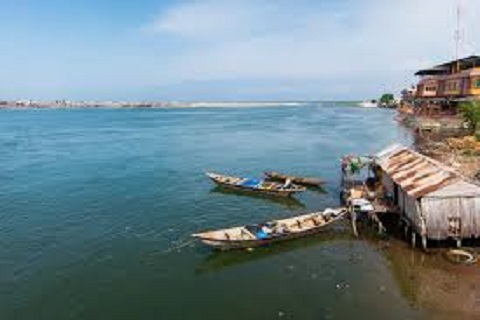 By Africa Risk Control (ARC) – Benin, a small yet strategically located country on West Africa’s Gulf of Guinea, has steadily drawn international attention for its growing stability, regional connectivity, and emerging sectors. As a member of ECOWAS and the West African Economic and Monetary Union (WAEMU), Benin functions as a critical trade gateway for landlocked neighbors including Niger, Burkina Faso, and Mali.
Economic Recovery, Investment Prospects in a Landlocked Burkina Faso
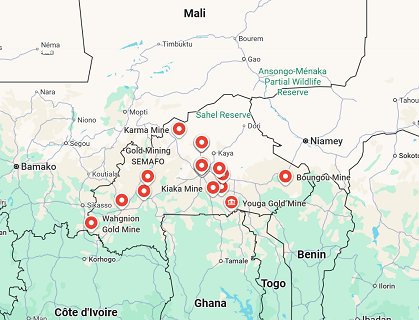 By Africa Risk Control (ARC) – Burkina Faso is a landlocked country of approximately 23 million people in the Sahel region of West Africa. Despite its geographical disadvantage and ongoing security challenges, the economy is showing signs of recovery. According to the World Bank the economy grew by 4.9 % in 2024, up from 3.0 % in 2023 and nominal GDP stood at about USD 23.25 billion in 2024.
DRC: A Tourism Giant with Immense Opportunities
 By Africa Risk Control (ARC)- Rich in biodiversity, natural resources, and cultural heritage, the Democratic Republic of Congo (DRC) possesses world-class tourism potential that remains underexploited.
Navigating Opportunities Amid Political Instability In Sudan
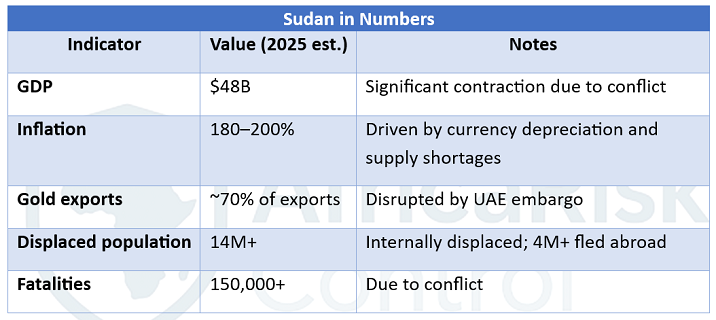 By Africa Risk Control (ARC) – Sudan, Africa’s third-largest country, is currently facing one of the most severe crises in its modern history. Since April 2023, the country has been engulfed in a violent conflict between the Sudanese Armed Forces (SAF) and the Rapid Support Forces (RSF).
Ethiopia–Eritrea: Peace in Jeopardy as Rhetoric Turns Sharp
 By Africa Risk Control (ARC) – It begins with memory. For most people who lived through the late 1990s, the words “Eritrea” and “Ethiopia” still carry the weight of the Badme war — a brutal interstate conflict from 1998 to 2000 that left tens of thousands dead, hundreds of thousands displaced, and an entire border region traumatised.