
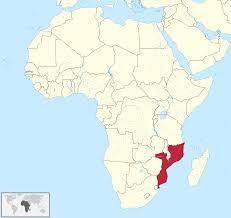
 Security risk in Mozambique is frequently mischaracterized as a national condition. In reality, it is corridor-based, time-sensitive, and unevenly distributed. ARC’s assessment shows that this misreading remains one of the most common causes of flawed entry and expansion decisions.
Northern Mozambique continues to present confidence risk linked to the Cabo Delgado insurgency. While tactical improvements have occurred, the critical variable for investors is not incident count—it is durability of security confidence. LNG-linked activity will only resume at scale once confidence holds over time, not weeks.
Outside the north, risk takes different forms. Central transport corridors face exposure related to logistics reliability, enforcement behavior, and informal taxation. Southern regions are comparatively secure but remain vulnerable to protest disruption and administrative intervention during politically or fiscally sensitive periods.
Another recurring failure is separating site security from movement security. Projects may be well protected at destination while remaining exposed during transit of staff, equipment, or supplies. In Mozambique, last-mile risk often matters more than perimeter security.
ARC’s Executive Risk Snapshot breaks down security exposure by region and corridor, helping decision-makers avoid both overreaction and complacency. The Full Executive Intelligence Report provides deeper mapping of security risk interaction with LNG timelines, logistics, and sector exposure.
The correct question for Mozambique is not “Is it secure?” but “Secure for whom, where, and for how long?”
Executive Risk Snapshot (17 pages)
Full Executive Intelligence Report (40 pages)