
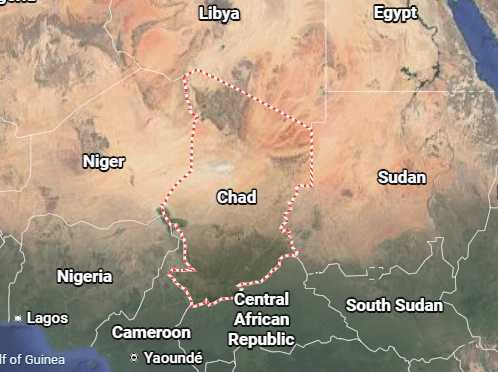
Northern routes, the Lake Chad basin, and eastern border zones each present distinct threat profiles. Misreading these differences is one of the most common causes of operational failure.
For decision-makers, security risk in Chad is less about escalation scenarios and more about misalignment between project location and risk tolerance. ARC’s analysis focuses on how security geography shapes feasibility, logistics, and duty-of-care requirements—and why corridor-specific planning is essential.
The Chad 2026 report provides decision-grade security intelligence designed for execution, not theory. For decision-makers, the key issue is not whether Chad is “secure,” but where and how security risk concentrates. Projects that fail to differentiate between corridors and regions often underestimate exposure, leading to avoidable disruptions.
Africa Risk Control’s Chad 2026 report examines security risk through a geographic lens, highlighting how corridor-specific dynamics shape logistics, access, and duty-of-care planning. Rather than treating security as a single variable, the report emphasizes location-specific risk assessment as a prerequisite for operational success.
The full Chad 2026 report is available for stakeholders seeking realistic insight into security geography and corridor risk.