
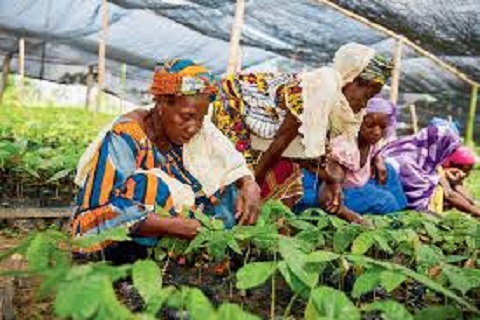
Cocoa and cashew are the most prominent agricultural exports, but the sector also includes staples, horticulture, and agro-processing, creating multiple entry points for investors. In 2024, agriculture accounted for approximately 17.92% of the country’s GDP, underscoring the pivotal role of the sector in the national economy. Agriculture employs over 40% of the labor force, demonstrating its critical social and economic significance.
Cocoa: A Resilient Yet Pressured Industry
Côte d’Ivoire produces nearly 1.8 million metric tons of cocoa beans in the 2024/2025 season, a 25% increase from the previous year. Yet, this growth is challenged by climate and environmental pressures. Prolonged droughts have caused a projected 40% reduction in mid-crop yields, with production estimated between 280,000 to 300,000 tons. Diseases like swollen shoot and black pod disease also pose ongoing risks to productivity.
The cocoa sector is not only about raw bean exports. Processing and value addition, such as chocolate production, cocoa butter, and derivatives, present lucrative opportunities. Global demand for high-quality, ethically sourced cocoa is growing, particularly in Europe and North America, offering premium pricing for compliant producers.
Cashew Nuts: Expanding Horizons
Côte d’Ivoire is the world’s largest cashew producer, with 2025 output projected at 1.3 million metric tons, up from 1.15 million tons. Domestic processing has surged from 68,515 tons in 2015 to 350,000 tons in 2024, creating significant opportunities in both production and local value addition.
However, potential U.S. tariffs up to 21% and currency fluctuations may impact export volumes. Smart investors will need to engage in market diversification, supply chain optimization, and strategic partnerships to mitigate risks.
Other Agricultural Opportunities
Beyond cocoa and cashew, Côte d’Ivoire offers investments in:
– Staple crops: Rice, maize, yams, and cassava for domestic consumption and export.
– Horticulture: Fruits, vegetables, and spices targeting regional and international markets.
– Agro-processing: Value-added production for food security and export growth.
– Sustainable farming: Irrigation, climate-resilient crops, and precision agriculture.
The government supports modern farming practices and encourages private sector participation through subsidies, infrastructure investments, and public-private partnerships.
Major Players in Key Agricultural Sectors
– Cargill Côte d’Ivoire – cocoa sourcing and processing.
– Olam International – cocoa and cashew integrated supply chains.
– Touton Côte d’Ivoire – cocoa trading and marketing.
– SIFCA Group – palm oil, sugar, and agro-processing.
– Smallholder cooperatives – producing cocoa, cashew, and food crops.
Regional Market Opportunities
Côte d’Ivoire benefits from ECOWAS integration, providing access to a regional market of over 400 million people. The country’s location and trade agreements make it an ideal hub for exporting raw and processed agricultural products across West Africa.
Investments in logistics, cold storage, and transport infrastructure can reduce post-harvest losses and improve competitiveness, enhancing both domestic food security and export potential.
Risks and Challenges
Investors should be aware of:
– Price volatility in global commodity markets.
– Climate risk, including droughts and flooding.
– Infrastructure gaps in rural areas.
– Regulatory complexities, including licensing and local content rules.
– Social factors, ensuring fair labor and supporting smallholder farmers.
Risk Mitigation Strategies
– Long-term contracts and hedging to stabilize revenues.
– Climate adaptation technologies like irrigation and drought-resistant crops.
– Partnerships with government programs for infrastructure and technical support.
– Community engagement for sustainability.
– Agri-insurance to protect against crop losses.
Trends and Future Outlook
Côte d’Ivoire’s agriculture sector is projected to continue its upward trajectory. Drivers include investment in agro-processing, sustainable agriculture, regional market access, and climate-smart practices. Addressing challenges like environmental sustainability, disease management, and market diversification will be crucial for long-term growth.
In conclusion, Côte d’Ivoire offers diverse, high-potential opportunities for investors across the entire agricultural value chain. Cocoa and cashew remain key entry points, while staples, horticulture, and agro-processing provide additional avenues for value creation. Strategic engagement, sustainable practices, and regional market integration are key to capitalizing on this dynamic sector.
• Thinking of Investing in African countries?
- Through our network of investigative and business journalists in 32 plus African countries, we provide verified, boots-on-the-ground insights to help investors make confident decisions.
- Trusted by international investors and NGOs for our on-the-ground intelligence.