
 By Africa Risk Control (ARC)- Rich in biodiversity, natural resources, and cultural heritage, the Democratic Republic of Congo (DRC) possesses world-class tourism potential that remains underexploited.
Spanning over 2.3 million km², the country boasts exceptional assets tropical forests, majestic lakes, endemic wildlife, and cultural diversity that could make it a major economic driver for Central Africa.
However, the DRC still faces considerable structural, security, and institutional challenges, requiring a cautious and strategic approach from any foreign investor.
Natural and Environmental Resources
More than 25 million hectares (12% of the national territory) are protected areas, with 7 national parks and 57 reserves and hunting grounds, including five UNESCO World Heritage Sites: Virunga, Kahuzi-Biega, Garamba, Salonga, and the Okapi Wildlife Reserve.
Four unique endemic species: the mountain gorilla, the bonobo, the okapi, and the Congolese peacock.
145 million hectares of tropical forests, the second largest forest area on the planet after the Amazon.
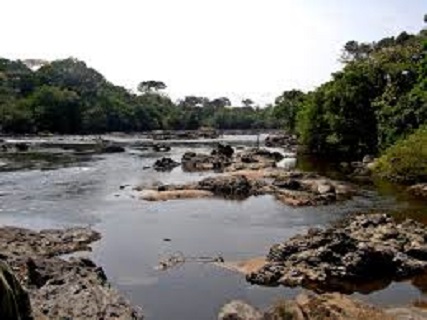
Exceptional hydrographic networks: The Congo River and its tributaries, the great lakes (Tanganyika, Kivu, Edward, Albert), spectacular waterfalls, and a 40-km Atlantic coastline.
Cultural and Historical Diversity
In terms of cultural and historical diversity: more than 450 ethnic groups, a vibrant cultural heritage, and varied artistic and craft traditions.
Important historical sites are present, including former slave markets, colonial monuments, and remarkable religious buildings. A rich gastronomy and folklore constitute a strong lever for cultural and event tourism.
Existing Tourism Infrastructure
Here, there are 5 international airports and more than 280 airport hubs. There are also nearly 3,200 hotels, with a capacity of approximately 28,000 rooms. There are also 4,500 km of waterways allowing river tours on the Congo River. There are also 349 travel agencies, some of which are affiliated with the International Air Transport Association (IATA).
Economic Performance and Institutional Framework
In 2005, tourism revenues amounted to €2.57 million (0.027% of GDP). In 2019, before the COVID-19 pandemic, they reached €89.06 million (0.19% of GDP). In 2020, they fell to €70.74 million due to health restrictions.
Although tourism remains marginal in the Congolese economy, it represents a lever for diversification and job creation with high potential.
Creation of the Ministry of Tourism and implementation of the Tourism Development Master Plan (PDDT 2018-2030).
Government Initiatives and Reforms
Visa facilitation: gradual implementation of the electronic visa (e-visa).
Promoting PPPs: The government encourages public-private partnerships to develop hospitality and transportation infrastructure (hotels, roads, telecommunications, and green energy).
Territorial development campaigns: Developing tourism in the country’s 145 territories, with a focus on training, promoting local heritage, and job creation.
Legal reforms: Modernizing the tourism regulatory framework and raising awareness of tourism culture.
Main Challenges and Constraints
In terms of security, the DRC faces armed group activity in the east, poaching, and local instability.
Regarding infrastructure, some roads are in poor condition, and there is an energy deficit and poor air connectivity.
In terms of human capital, there is a lack of training in tourism professions and a low level of service. There is also a negative perception related to insecurity.
Strategic Analysis for Investors
There are numerous investment opportunities:
Ecotourism: Development of sustainable lodges in parks (Virunga, Kahuzi-Biega); high-end tourism with a low ecological footprint.
Cultural and Community Tourism: Heritage and artisanal tours, promoting local communities and creating rural jobs.
Business tourism: Kinshasa, Lubumbashi, Goma: Hotels, convention centers, transportation
Agritourism and health: Promoting medicinal plants and wellness stays, with an innovative niche offering strong international potential.


Operational Recommendations
For an investor operating or conducting business in the DRC, it is first necessary:
– to conduct in-depth local due diligence:
– to map political and security risks and identify reliable local stakeholders;
– to promote public-private partnerships (PPPs) by partnering with Congolese operators to pool risks and obtain administrative facilities;
– to concentrate investments in stable areas:
– to prioritize Kinshasa, Lubumbashi, Kisangani, Kongo Central, and Bas-Uélé;
– to subscribe to specialized insurance (MIGA, OPIC, ATI) to cover political, expropriation, and transfer risks;
– to integrate local communities, while contributing to environmental conservation; and
-to invest in professional training (guides, hospitality, management, security).
In closing, the DRC positions itself as a dormant African tourism giant. Its natural and cultural resources represent unique potential on the continent. However, any investment project must be part of a prudent, sustainable, and well-structured strategy, taking into account: in-depth due diligence, dynamic risk analysis, strong partnerships with authorities and communities, and a long-term vision based on sustainability and resilience.
Thus, despite a complex environment, the DRC can become a high-yield destination of the future for savvy investors
At Africa Risk Control (ARC), we help investors, lenders, and development partners make informed decisions across Africa’s complex environments. Our team provides in-depth political, security, and commercial due diligence, helping clients identify reliable partners, mitigate risks, and safeguard their investments.
If you are considering tourism or infrastructure projects in the Democratic Republic of Congo or elsewhere in Africa, ARC offers the intelligence and local insight you need to move with confidence.