
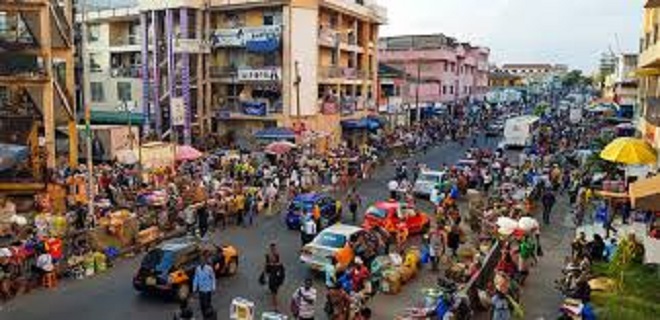
 By Africa Risk Control (ARC) – Ghana’s economy has shown resilience amid global challenges. In 2024, the country’s Gross Domestic Product (GDP) was valued at approximately $82.83 billion, with a per capita income of about $2,520. The economy grew by 3.4% in 2024, driven by strong performances in the services and industrial sectors.
Despite these positive indicators, Ghana faces fiscal challenges, including a 92.6% debt-to-GDP ratio and high inflation rates. However, the government has implemented reforms supported by the International Monetary Fund (IMF), including a $13 billion Eurobond exchange and a $2.8 billion debt relief agreement with 25 creditor nations, aiming to restore macroeconomic stability.
Energy Sector: Transitioning to Sustainability
Ghana’s energy sector is undergoing a significant transformation, with a focus on renewable energy and infrastructure modernization. The government has unveiled a $3.4 billion renewable energy investment plan aimed at increasing capacity by 2,500 MW by 2030. This initiative aligns with Ghana’s Energy Transition Framework, targeting net-zero emissions by 2060.
Key developments include:
$12 billion Petroleum Hub: Construction of a 300,000 bpd refinery in Jomoro, positioning Ghana as a regional petroleum hub by 2036.
$1.1 billion Power Plan: Investment in power infrastructure to enhance generation and distribution capabilities.
Major players in the energy sector include:
Electricity Company of Ghana (ECG): Generated GH₵36.2 million in revenue in 2024, with expenditures of GH₵43.2 million.
Ghana National Petroleum Corporation (GNPC): Reported GH₵20.2 million in revenue, with expenditures of GH₵18.7 million.
These projects present opportunities for investors in renewable energy, infrastructure development, and ancillary services.
Key Challenges and Mitigation Strategies
Energy Sector Shortfall: The energy sector faces an estimated $2.2 billion annual shortfall. Mitigation strategies include attracting private investment, implementing energy efficiency measures, and diversifying energy sources
Regulatory Challenges: Navigating the regulatory landscape can be complex. Engaging with local stakeholders and understanding the legal framework can help mitigate these challenges.
Infrastructure Deficits: Insufficient infrastructure can hinder energy distribution. Investing in grid modernization and rural electrification can address these gaps.
Infrastructure: The ‘Big Push’ Initiative
The Ghanaian government has committed to a ‘Big Push’ infrastructure drive, allocating GH¢13.9 billion in 2025, with plans to increase this to GH¢21.2 billion by 2028. This initiative focuses on:
Transport Networks: Expansion of road and rail systems to improve connectivity.
Digital Infrastructure: Enhancement of ICT infrastructure to support the digital economy.
Urban Development: Investment in housing and commercial real estate projects.
The Ghana Infrastructure Investment Fund (GIIF), with an anchor equity of USD 345 million, plays a pivotal role in financing these projects.
Key Challenges and Mitigation Strategies
Cost Overruns: Development projects have experienced GH₵70.3 billion in cost overruns in 2024. Implementing stringent project management practices and transparent procurement processes can mitigate these issues.
Land Acquisition Issues: Securing land for infrastructure projects can be challenging. Engaging with local communities and ensuring fair compensation can facilitate smoother acquisitions.
Funding Gaps: Limited funding can delay projects. Public-private partnerships and international financing can bridge these gaps.
Finance: Strengthening the Sector
Ghana’s financial sector is undergoing reforms to enhance stability and inclusivity. The introduction of the Gold Board aims to streamline gold purchases from small-scale miners, boosting earnings and reducing smuggling. Additionally, the government’s focus on financial inclusion and digital payment systems is expanding access to financial services across the country.
Key Challenges and Mitigation Strategies
Financial Inclusion: Despite progress, a significant portion of the population remains unbanked. Expanding mobile banking and digital platforms can enhance financial inclusion.
Regulatory Compliance: Adhering to international financial regulations can be complex. Collaborating with local financial institutions and legal experts can ensure compliance.
Cybersecurity Risks: As digital financial services grow, so do cybersecurity threats. Investing in robust cybersecurity infrastructure and training can mitigate these risks.
Strategic Advice for Investors
Investors should consider the following strategies:
Diversify Portfolios: Engage in renewable energy, infrastructure, and financial services sectors to mitigate risks and capitalize on growth.
Collaborate with Local Entities: Partner with Ghanaian firms and government agencies to navigate regulatory landscapes and enhance project success.
Monitor Policy Developments: Stay informed about policy changes, such as the proposed anti-LGBT+ law, which could impact international funding and investor confidence.
In aconclusion, Ghana presents a dynamic and evolving investment landscape with substantial opportunities across key sectors. By understanding the economic context, sector-specific dynamics, and associated risks, investors can make informed decisions that align with their strategic objectives.
Africa Risk Control (ARC) offers comprehensive country risk analysis and investment advisory services to assist investors in navigating Ghana’s dynamic market. Our expertise ensures informed decision-making and strategic planning.
 Ethiopia Country Risk & Due Diligence Report
2026 Q1 Premium Edition
A 107-page intelligence report covering political, FX, security, conflict, regional vulnerabilities, and sector-specific risks.